Cash for Cans: Residents Profit with Recycling
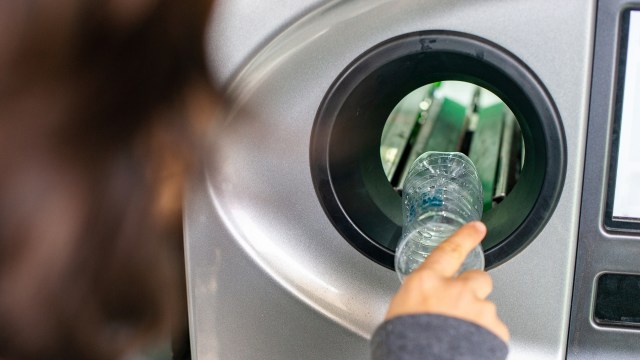
Across the Netherlands, a novel approach to recycling is gaining traction, offering residents a financial incentive for their environmental efforts. Through the use of reverse vending machines, individuals are able to deposit empty bottles and cans in exchange for cash, effectively turning trash into treasure. This initiative is spearheaded by organizations like Verpact, which aim to streamline the deposit refund process, known locally as "Statiegeld."
Understanding the Statiegeld System
The Statiegeld system operates by adding a small deposit fee to the price of eligible beverage containers, typically ranging from €0.15 to €0.25, depending on the container's size and material. Consumers are then able to reclaim this deposit by returning the empty containers to designated collection points, primarily through the use of reverse vending machines.
Phased Implementation and Expansion
The Dutch deposit return scheme was introduced gradually, starting with large plastic bottles in 2006. The program expanded in 2021 to include small plastic bottles and later encompassed all metal beverage containers up to three liters in volume. This phased approach allowed for adjustments and refinements to the system, ensuring its smooth integration into the existing recycling infrastructure.
To facilitate widespread participation, larger supermarkets and gas stations located along major highways are mandated to provide collection points. Other locations have the option to participate voluntarily, further increasing the accessibility of the program for residents across the country.
Progress Towards Ambitious Recycling Goals
Dutch law has set an ambitious target of achieving a 90% recovery rate for beverage containers. While progress has been made, recent reports indicate that the nation is still working towards this goal. In 2024, return rates for plastic beverage bottles were approximately 77%, while can return rates reached 84%.
Despite not yet reaching the 90% target, significant strides have been made. Organizations like Verpact have been instrumental in expanding the collection infrastructure, adding over 1,400 collection points in the past two years alone. This includes the installation of 15 reverse vending machines, which offer a convenient and efficient way for consumers to return their empty containers.
The Rise of Statiegeld Return Shops
A notable development in the Dutch recycling landscape is the emergence of dedicated Statiegeld return shops. The first such shop opened in Rotterdam, featuring a bulk vending machine capable of processing up to 200 containers at a time. These specialized facilities further simplify the return process, making it easier for individuals to participate in the program.
Since the rollout of the expanded Statiegeld system, organizations have reported collecting over 1 million deposit packages, demonstrating the program's growing impact. The incentive of receiving cash for returned containers has proven to be a powerful motivator for many residents.
Real-World Impact and Consumer Perspectives
The effectiveness of the Statiegeld system is evident in the experiences of everyday residents. For example, one individual reported earning over €50 by returning approximately 350 cans. This tangible financial reward underscores the appeal of the program and its ability to encourage widespread participation.
The convenience of the reverse vending machines and the financial incentive they provide are key factors driving the program's success. By making recycling easy and rewarding, the Netherlands is fostering a culture of environmental responsibility among its citizens.
Beyond Reverse Vending Machines: A Holistic Approach
While reverse vending machines play a crucial role in the Dutch recycling strategy, they are just one component of a broader effort to promote sustainability. Other initiatives include encouraging consumers to support brands that prioritize eco-friendly practices and donating to environmental causes.
These complementary actions, combined with the Statiegeld system, contribute to a more comprehensive and effective approach to waste reduction and resource management. By engaging both individuals and businesses, the Netherlands is working towards a more sustainable future.
The Ongoing Pursuit of Higher Collection Rates
Despite the progress achieved, the Netherlands remains committed to reaching its ambitious goal of a 90% collection rate for beverage containers. Organizations are focused on identifying and addressing the remaining challenges in order to further improve recycling rates.
Achieving this target requires a sustained effort to raise awareness, improve infrastructure, and continue to incentivize consumer participation. By prioritizing these areas, the Netherlands aims to solidify its position as a leader in sustainable waste management practices.


